From a single suite to a 100-megawatt campus.
Data center deals don't come in one size — and they shouldn't be brokered as if they do. HyperBay works across three tiers, each with its own economics, timelines, and decision drivers. Here's how to know where your requirement fits, and what changes as the megawatts climb.
Enterprise Colocation
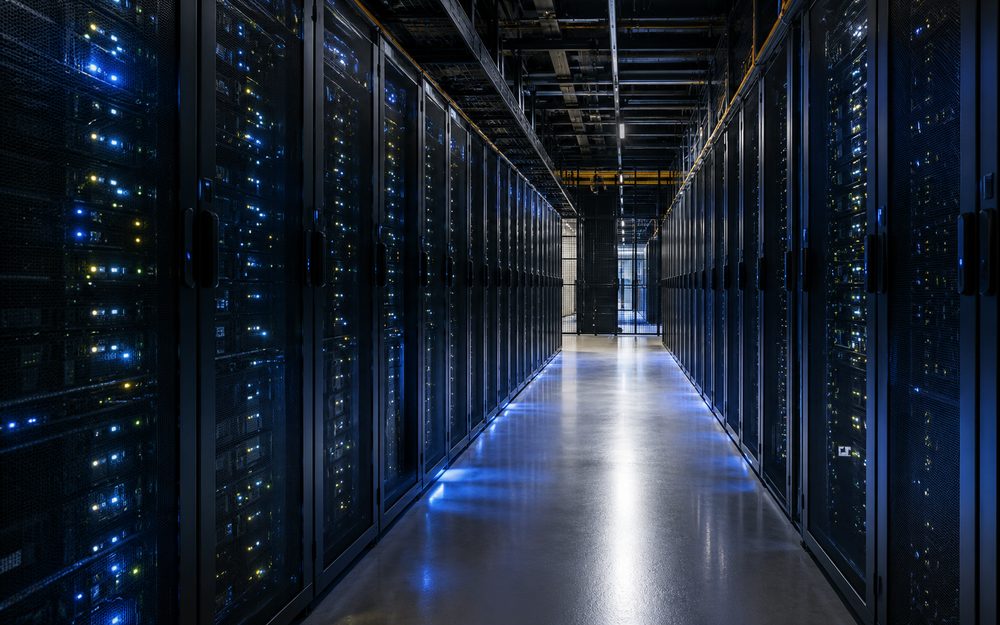
Enterprise colocation is where most organizations meet the data center market. It covers everything from a handful of cabinets to a private suite approaching a megawatt — typically for traditional IT, disaster recovery, regulatory and compliance workloads, edge deployments, and SaaS companies scaling out of the cloud or their own server closet.
At this size you are almost always leasing inside an existing multi-tenant facility. Supply is plentiful in most metros, so the decision turns on location, network density, contract flexibility, and the operator's track record — not on whether the space can be built.
Who it fits
- Enterprise IT and corporate infrastructure
- Disaster recovery and backup sites
- Compliance and data-sovereignty workloads
- SaaS teams leaving public cloud
What HyperBay does
- Retail and wholesale colocation placement
- Multi-market RFP coordination
- SLA and commercial term review
- Migration and consolidation support
Lease vs. build
Effectively always a lease. New construction is never justified at this size — the value is in matching you to the right existing facility on the right terms.
Wholesale Capacity
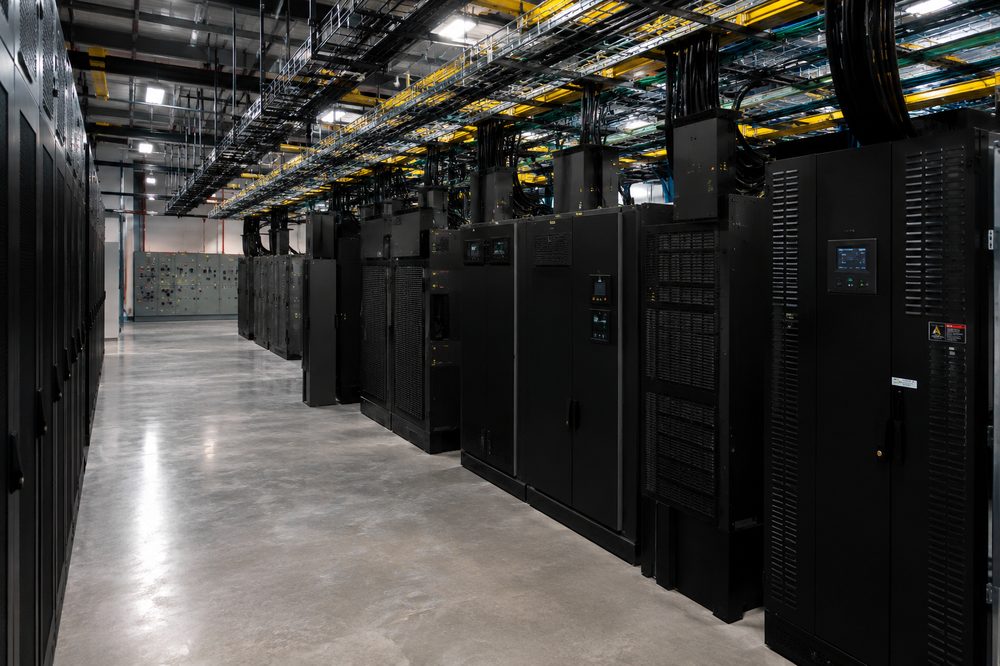
Wholesale is the fast-growing middle of the market — and HyperBay's sweet spot. These deals serve regional cloud providers, AI infrastructure startups scaling training and inference, and large enterprises whose needs have outgrown retail colocation but haven't reached hyperscale.
Here you're leasing dedicated suites or taking down a powered shell to fit out yourself. Power capacity and time-to-power start to matter as much as the real estate, and in tight markets, contiguous blocks at the top of this range can already be hard to find — which is where build-to-suit first enters the conversation.
Who it fits
- AI training & inference operators
- Regional and niche cloud providers
- High-growth SaaS and platform companies
- Large enterprise private cloud
What HyperBay does
- Wholesale suite and powered shell placement
- Off-market inventory and operator introductions
- Power capacity and time-to-power validation
- Term sheet support through executed agreement
Lease vs. build
Usually a lease, but build-to-suit becomes viable toward 5–10MW when a tenant has the leverage to have a developer build for them, or when contiguous space runs short.
Hyperscale Build-to-Suit
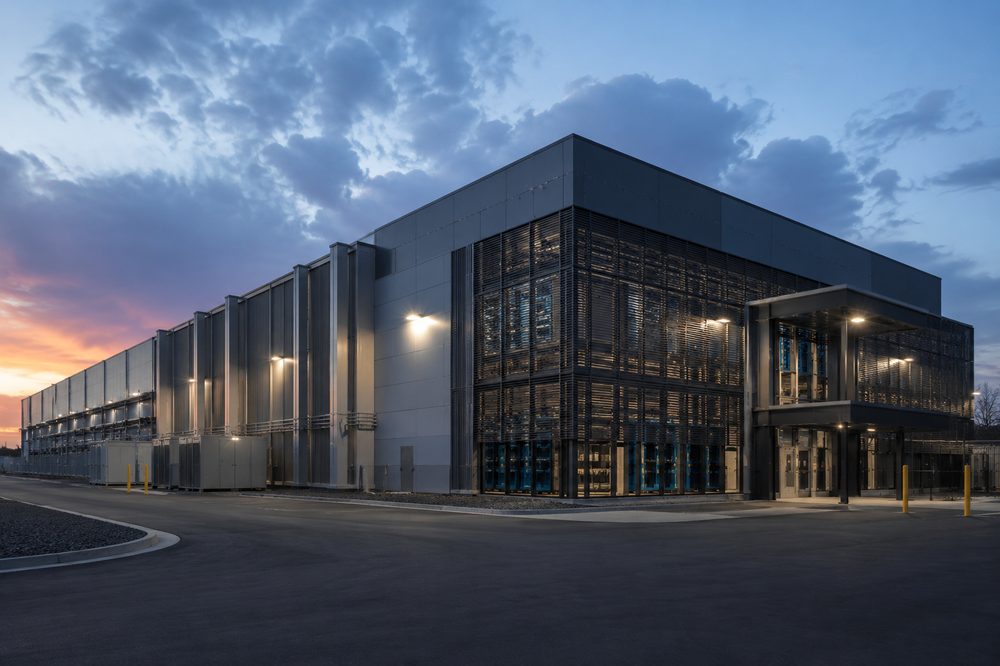
At hyperscale, the deal stops being about finding space and starts being about securing power and land. These requirements serve cloud providers, large AI training operators, and major enterprises — and at this size, move-in-ready inventory frequently doesn't exist in the market you need.
The constraint is energized capacity: utility queues, interconnect timelines, and substation proximity decide which sites are real. HyperBay brokers powered land, brownfield sites, and build-to-suit campus opportunities where the megawatts can actually be delivered — and on a timeline that works.
Who it fits
- Hyperscale cloud and platform providers
- Large-scale AI training operators
- Major enterprise & government deployments
- Developers seeking anchor tenants
What HyperBay does
- Powered land and brownfield site selection
- Utility coordination and interconnect review
- Confidential off-market campus opportunities
- Multi-party transaction management
Lease vs. build
Predominantly build or build-to-suit. Above ~25–30MW in constrained markets, a new build is often the only path — the interconnect timeline becomes the project.
Site development planning, before the shovels.
Owning powered land isn't the same as owning a viable data center site. Between the parcel and a signed tenant sits a body of work most landowners and early-stage developers underestimate: utility capacity confirmation, interconnect study review, zoning fit, water and fiber routing, phasing, and a defensible development timeline.
HyperBay's site development planning service walks landowners, IPPs, and early-stage developers through that work — so by the time your site meets a hyperscale or wholesale tenant, it's ready to be taken seriously. Offered on a scoped consulting basis, separate from brokerage.
Site & power assessment
- Utility capacity and queue-position review
- Substation proximity and routing analysis
- Interconnect study interpretation
- Realistic time-to-power estimate
Planning & feasibility
- Zoning, entitlement, and jurisdictional fit
- Water availability and cooling strategy
- Fiber route options and network density
- Preliminary site plan and phasing options
Buyer-ready packaging
- Development timeline you can defend
- Risk register and mitigation notes
- Diligence package tenants expect to see
- Positioning strategy for offer to market
When does a project force a new build?
There's no magic megawatt number — the real question is whether existing inventory with the right power exists, in the right market, on the right timeline. As requirements climb, the answer shifts from "lease" to "build." Here's roughly how that progression looks in today's supply-constrained markets.
Always lease
Abundant retail and wholesale colocation. No reason to build.
Lease
Wholesale suites inside existing or already-planned facilities.
Gray zone
Build-to-suit becomes viable; contiguous space gets scarce.
Often build
Move-in-ready capacity rarely exists. Power and land lead the deal.
Deal size questions, answered.
The questions tenants and developers ask most when sizing a data center requirement.
How many megawatts before you have to build a new data center?
What's the difference between enterprise, wholesale, and hyperscale?
What is a powered shell?
Why does power matter more than space at large sizes?
Does HyperBay help evaluate a site before it's ready to list?
Does HyperBay really work with smaller deals?
Not sure which tier you're in? That's our job.
Tell us your capacity range, geography, and timeline. We'll tell you honestly whether you're leasing or building — and find you the options either way.